Water quality requirements vary significantly across manufacturing, pharmaceutical, chemical, and commercial sectors. Choosing an incorrect water treatment system can lead to equipment corrosion, poor product quality, higher operating expenses, and regulatory non-compliance. Selecting the right setup requires a comprehensive analysis of raw water chemistry and the specific purity standards required for your end application.
A detailed raw water test is the baseline requirement before investing in any treatment machinery. Key factors such as Total Dissolved Solids (TDS), pH levels, hardness, turbidity, organic content, and microbial presence determine system architecture. For instance, high-hardness feed water requires specialized water softeners or anti-scalant dosing prior to reverse osmosis to prevent severe equipment scaling.
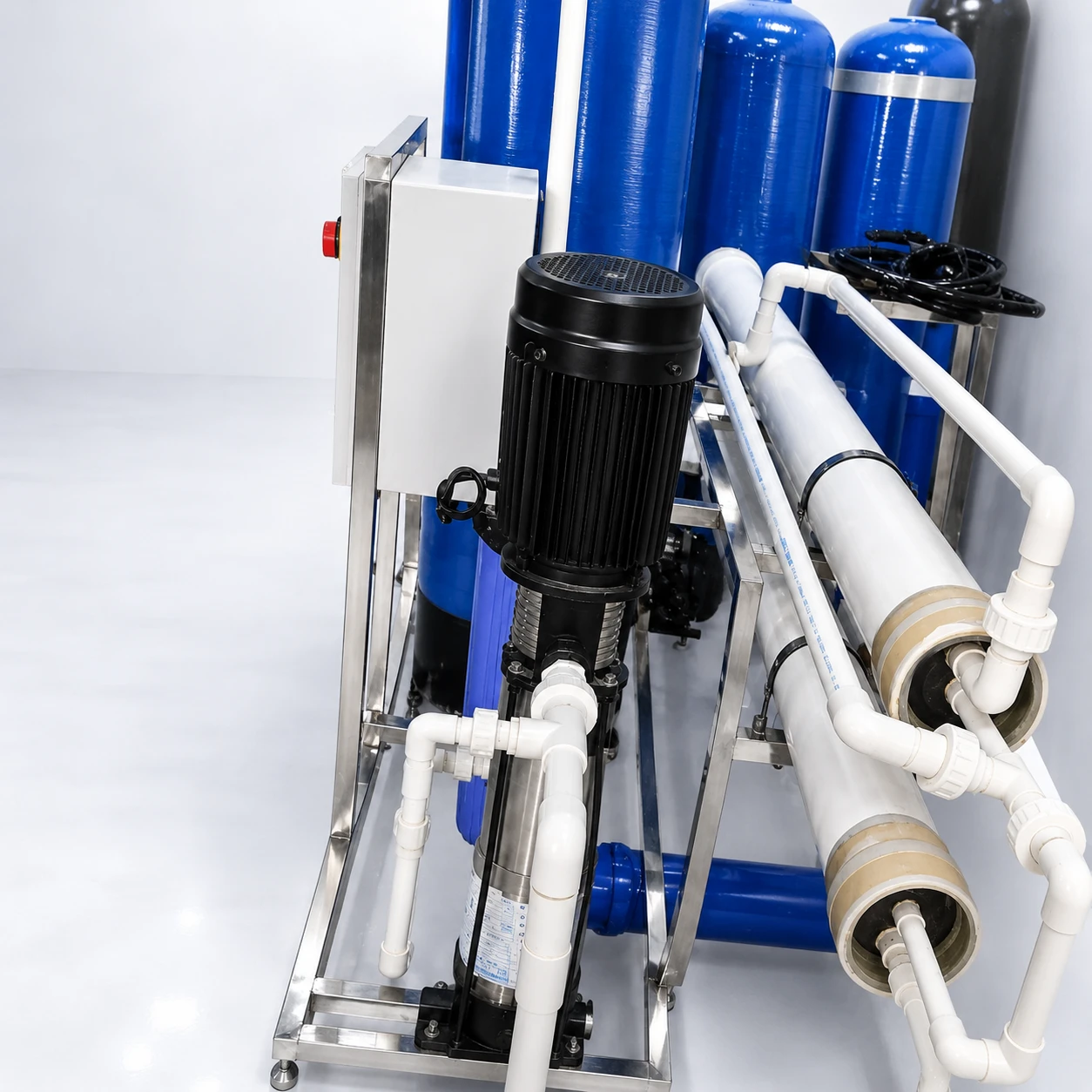
Understanding the specific end-use requirements helps narrow down the necessary filtration technology. Light manufacturing processes may only need standard filtration and softening, while power generation, food processing, and pharmaceutical units require multi-stage purification combining RO systems, Ultrafiltration (UF), and Effluent Treatment Plants (ETP). Tailoring systems to precise operational demands prevents over-engineering and avoids unnecessary capital expenditure.
Operational energy efficiency, waste management, and environmental compliance are major factors in modern system design. Modern industrial plants prefer systems that maximize water recovery while minimizing discharge. Integrating zero liquid discharge (ZLD) technologies or efficient recycling units helps industries lower overall water consumption and remain compliant with local environmental laws.
Working with experienced water treatment engineering teams ensures that the chosen solution fits long-term business goals. Custom-designed systems built with industrial-grade components deliver reliable uptime, reduced chemical consumption, and lower operational costs. Investing in a robust, scalable treatment plant guarantees sustainable growth and protects industrial infrastructure.